
The word taiyari means preparation. The programme is named for what adolescence actually is: a short, decisive window in which a young person acquires — or fails to acquire — the knowledge and confidence that will govern much of their adult life.
In rural Rajasthan that window closes quickly, and it closes at different times for boys and girls. A girl's schooling may end when the next school is too far from her village. Decisions about marriage, work and health are frequently made for young people rather than by them. Taiyari existed to make sure that, whatever else happens, they enter adulthood informed.
What the programme covers
Taiyari operated across 30 Gram Panchayats: 15 in Srinagar block of Ajmer district and 15 in Tonk block of Tonk district. It has directly reached 1,800 individuals, and a further 20,000 or more indirectly through community awareness activity.
Those two figures deserve to be kept apart, and we always label them. Direct beneficiaries are adolescents who took part in the programme's sessions. The indirect figure counts the wider community reached through village-level awareness work: parents, siblings and neighbours who encountered the message without sitting in the sessions.
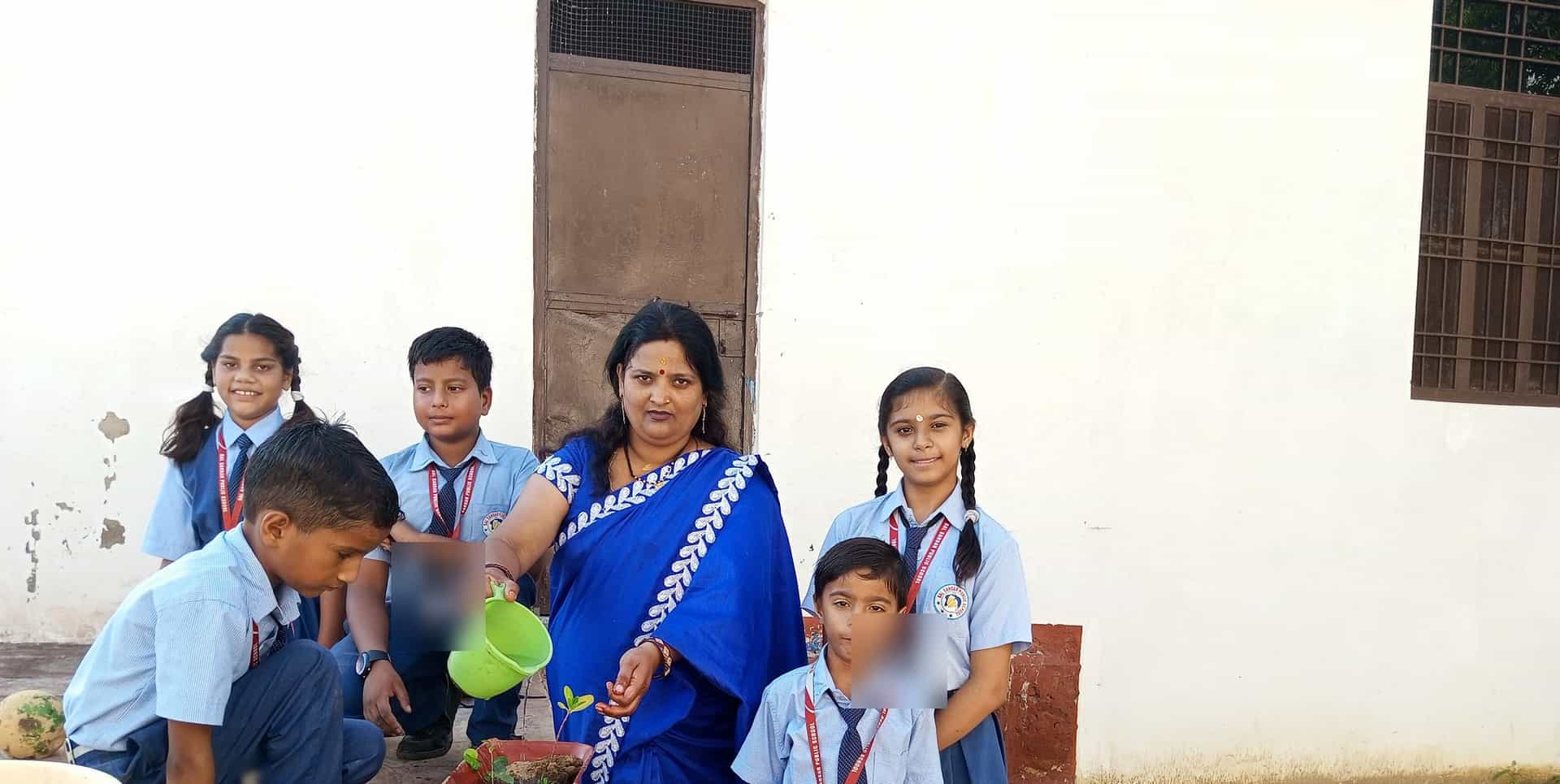
The subject matter is the ordinary business of growing up, taught properly: adolescent health, nutrition and anaemia prevention, sexual and reproductive health, hygiene, mental health, and the life skills needed to negotiate the pressures of the period.
Where it began
Taiyari's first phase was a demonstration model developed with UNICEF, testing whether planned transition from adolescence to adulthood could be structured as a programme rather than left to chance. The pilot ran across 50 Gram Panchayats of Jaipur, Ajmer and Tonk districts, and was extended in Ajmer and Tonk.
The design was deliberately balanced: adolescent leaders were drawn equally from among boys and girls. A programme that reaches only girls treats adolescent health as a girls' problem. A programme that reaches only boys leaves girls without information. Taiyari always worked with both.
UNICEF documented the model in a video, a short film and a print publication. A partnership with Dimagi, supported by USAID, added a mobile application component to strengthen the programme's outcomes. It was an early attempt to bring digital tools into rural adolescent health work.
A programme that reaches only girls treats adolescent health as a girls' problem.
Kishor Samvaad: taking it into schools
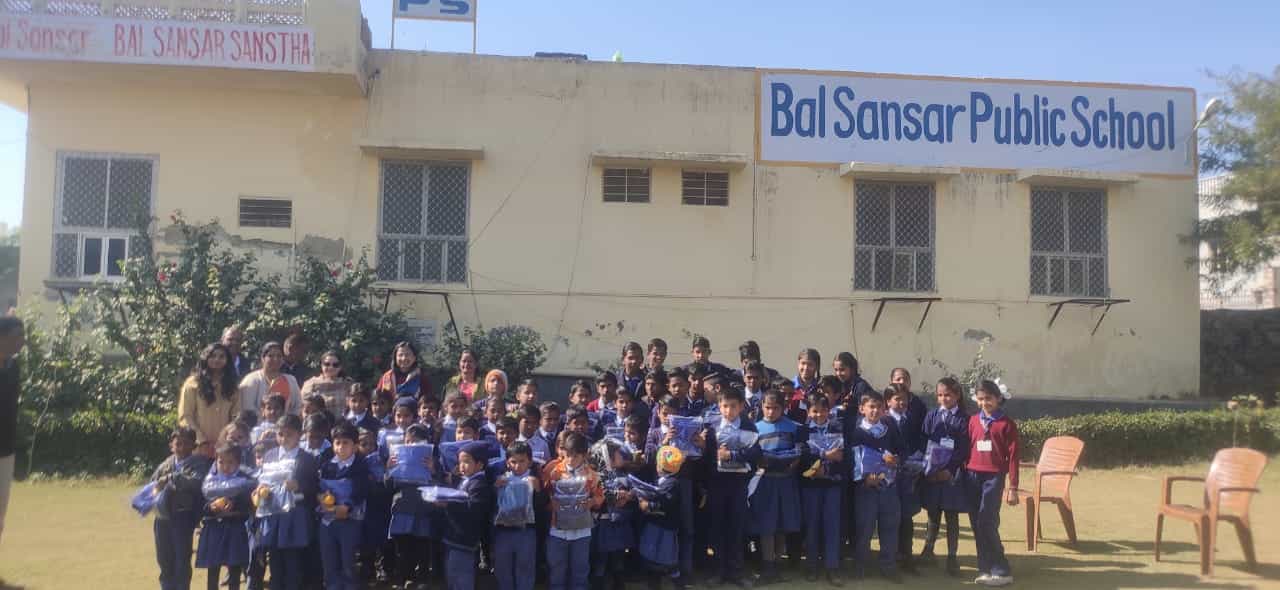
Between January 2021 and March 2022, Bal Sansar Sanstha ran a distinct intervention under the Taiyari umbrella called Kishor Samvaad — Adolescent Dialogue — in partnership with Trent Pvt. Ltd.
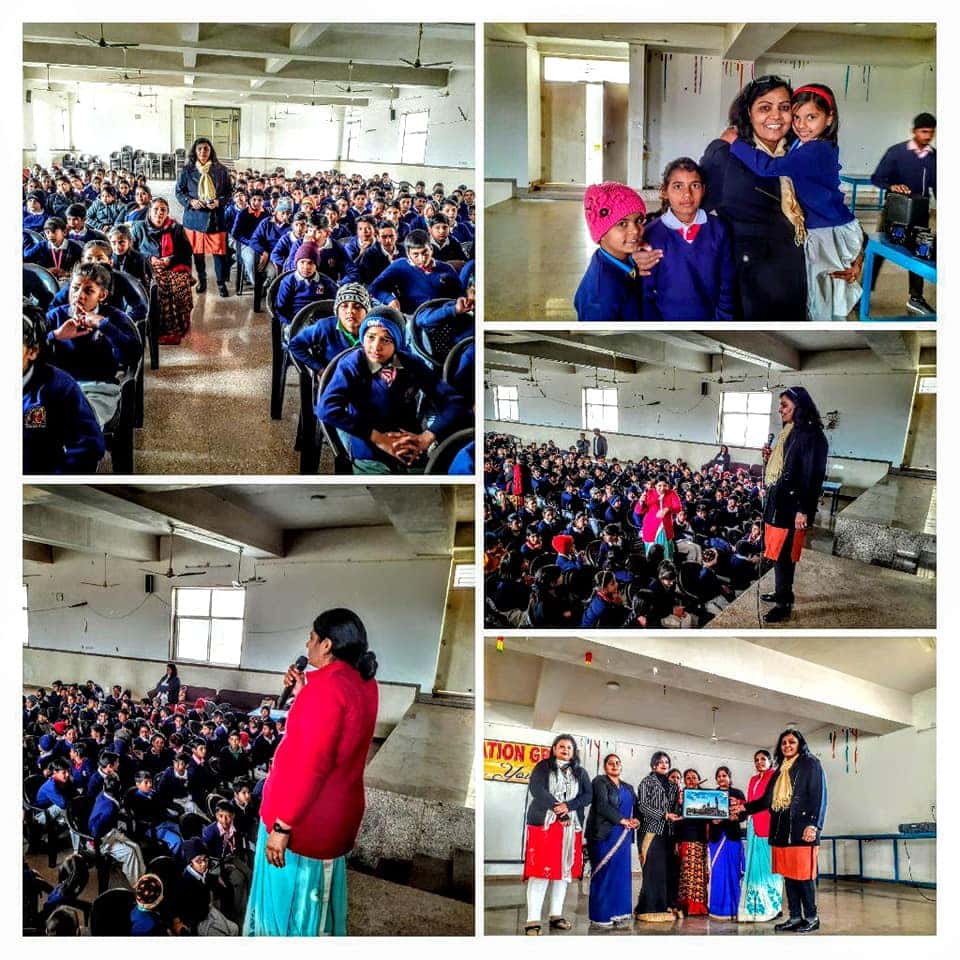
The project worked in ten government schools of Jaipur district and reached about 2,000 adolescents aged between 10 and 19. The format was consistent: a one-hour session in each school once a month for six months, structured as a 30-minute presentation followed by 30 minutes of questions.
That second half hour is the part that matters. Adolescents rarely lack access to information; they lack a setting in which it is safe to ask about it. The six themes followed the Government of India's Rashtriya Kishor Swasthya Karyakram — the National Adolescent Health Programme: adolescent reproductive and sexual health, nutrition and anaemia prevention, mental health, injuries and gender-based violence, non-communicable diseases, and substance misuse.
Continuing without a grant
The Kishor Samvaad grant ended in March 2022. Taiyari did not end with it.
Bal Sansar Sanstha continued the work in schools and communities for a time using its own resources, and by engaging youth volunteers and the adolescent leaders the programme itself produced. That is the quiet test of whether a programme built something durable: when the funding stops, does the activity stop with it? The programme has since concluded.
The case for early investment
The argument for adolescent health work is straightforward, and it is an argument about timing. Habits around nutrition, hygiene and health-seeking behaviour form in these years. So do the attitudes that determine whether a young woman later feels able to seek care, or a young man feels able to discuss his mental health.
Investment made in the lives of adolescents pays out over decades — in better health, greater wellbeing, and the practical skills to handle what life presents. It is difficult to attribute and easy to underfund, which is precisely why it needs deliberate support.
Read more about the Taiyari programme, our wider work with women and girls, or support our current work.
Support this work
Stories like this are made possible by supporters like you. An 80G-eligible donation funds education and health programmes across rural Rajasthan.
Donate Now