Giving
Donating to Bal Sansar Sanstha: Your 80G Deduction and Form 10BE, Step by Step
Last edited
Form 10BE is the certificate a charity gives you after it files Form 10BD, and it is the proof you keep for an 80G claim. The 50% deduction, within the limit of 10% of your adjusted gross total income, applies only if you file under the old tax regime.
This page is general information, not tax advice. Tax rules depend on your own return; please check with your tax adviser before you rely on it.
Donors ask us the same two questions every year: how much of my donation can I claim back, and what paperwork will I need? This guide walks through the full journey of a donation to Bal Sansar Sanstha, from the moment you give to the moment the deduction appears in your income-tax return.
Bal Sansar Sanstha is registered under Section 80G (Registration No. AAATB9592L25JP02, valid Assessment Year 2027-28 to 2031-32). Every certificate we hold (80G, 12A, FCRA, CSR-1) is published on our documents page, and the organisation has been registered under the Rajasthan Societies Registration Act since 1992 (Reg. 346/91-92). A gift made before 1 April 2026 is covered by our earlier 80G approval; which 80G number covers my donation explains which applies when.
First, the question that decides everything: which tax regime do you file under?
This is the part most donation pages leave out, and it changes the answer completely.
The 80G deduction is available only under the OLD tax regime. The new regime has been the DEFAULT since Assessment Year 2024-25 (Section 115BAC of the 1961 Act; Section 202 of the Income-tax Act, 2025 for donations from 1 April 2026), and it does not allow an 80G deduction on a donation to an NGO. So if you have never actively chosen the old regime, you are most likely on the new one, and you cannot claim this deduction, however good the paperwork is.
If you file under the old regime, 50% of what you give us is deductible, within the limit of 10% of your adjusted gross total income. If you file under the new regime, your donation still funds the school; it just will not reduce your tax.
That is not advice about which regime to choose. That depends on your whole return, and your tax adviser is the right person to ask. It is simply the fact that decides whether the rest of this guide applies to you.
One more thing that changed in 2026
The Income-tax Act, 2025 replaced the Income-tax Act, 1961 on 1 April 2026. The rules for donations did not change, but the numbering did: Section 80G is now Section 133. For donations from 1 April 2026, the statement is Form 113 and the certificate is Form 114 (formerly Forms 10BD and 10BE); a gift made before that date is still covered by the old forms. We use the familiar names below because that is what donors, receipts and accountants still say, and both sets of numbers refer to the same thing. Our lookup table puts every old number beside its new one.
Four shorter guides
Each of these answers one question this guide only touches on.
Form 10BE for donors: what you can do, and what only the charity can
80G is now Section 133: a donor's lookup for the 2026 numbers
80G deduction worked example: half the gift, within the 10% limit
Which 80G number covers my donation?
The short version
Donate through a traceable payment mode, share your PAN, and keep the receipt we email you. After the financial year ends, we report your donation to the Income Tax Department, and you receive a Form 10BE certificate, the document you use to claim the deduction in your return. The steps below explain each part.
Step 1 — Donate through a traceable payment mode
You can give on our donation page using UPI, credit or debit card, or net banking. Payments are processed by Razorpay's secure gateway. Bank transfer and cheque also work; write to [email protected] for the details. One rule matters here: the Income Tax Act does not allow an 80G deduction on cash donations above ₹2,000. If you want the tax benefit, give digitally or by cheque.
Step 2 — Share your PAN when you give
The donation form asks for your PAN. It is optional for donating, but essential for claiming. Since FY 2021-22, the Income Tax Department matches every 80G claim against what the receiving organisation reports, and we can only report donations that come with a PAN. Without it, your donation cannot appear in a Form 10BE, and a claim the department cannot match may be denied.
Step 3 — Keep the receipt we email you
After a successful donation, a receipt arrives in your inbox automatically, carrying our 80G registration number. Keep it as your proof of payment. If your name is misspelt or any detail looks wrong, write to [email protected] so we can correct our records before the annual filing.
Step 4 — We file Form 10BD; you receive Form 10BE
After the financial year closes on 31 March, Bal Sansar Sanstha files Form 10BD — a donor-wise statement of every donation received — with the Income Tax Department by 31 May. Based on that filing, a Form 10BE certificate is generated for each donor: it carries your name, your PAN, the amount you donated, and our registration details for the year. If it has not arrived, or a detail on it is wrong, Form 10BE for donors says what to do.
Step 5 — Claim the deduction in your return
When you file your income-tax return, enter the details from Form 10BE in the return's 80G schedule. Donations to Bal Sansar Sanstha qualify for a deduction of 50% of the donated amount, subject to the qualifying limit in the Act (broadly, such donations are considered up to 10% of your adjusted gross total income). Note that 80G, like most Chapter VI-A deductions, is available under the old tax regime. If you file under the default new regime, it does not apply. A chartered accountant can tell you which regime works better for you. The worked example runs the numbers for gifts inside and above the limit.
A donation becomes a deduction only when it can be matched to your PAN — share it when you give, and the paperwork takes care of itself.
What is not eligible
Three cases regularly cause confusion. School-fee payments to Bal Sansar Public School are payments for education, not donations. They are not eligible for 80G receipts. Donations in kind — books, stationery, equipment — are welcome and put to immediate use, but Section 80G covers only sums of money, so goods do not carry a tax deduction. And as noted above, cash above ₹2,000 does not qualify.
Donating from outside India
BSS is registered under the Foreign Contribution (Regulation) Act (FCRA Registration No. 125560132, renewed through 31 March 2028). Indian citizens, including NRIs, can give through our donation page. Foreign passport holders, including OCI card holders, and organisations outside India should email [email protected] for the FCRA bank account details, because a foreign contribution must reach our FCRA account. Section 80G applies to income taxable in India. If you are an NRI with Indian income, you claim it the same way. More detail is on our FAQ page.
Where your donation goes
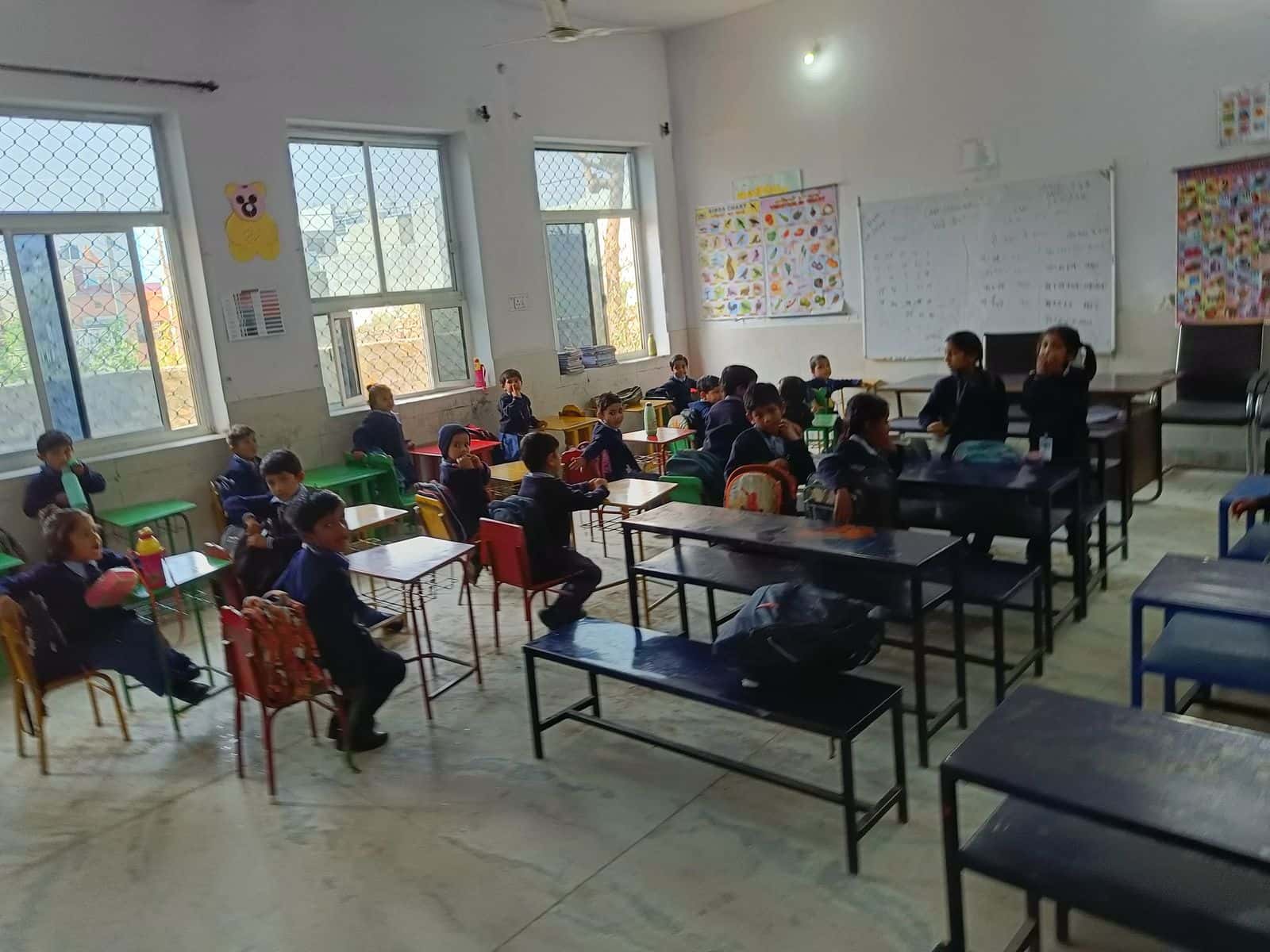
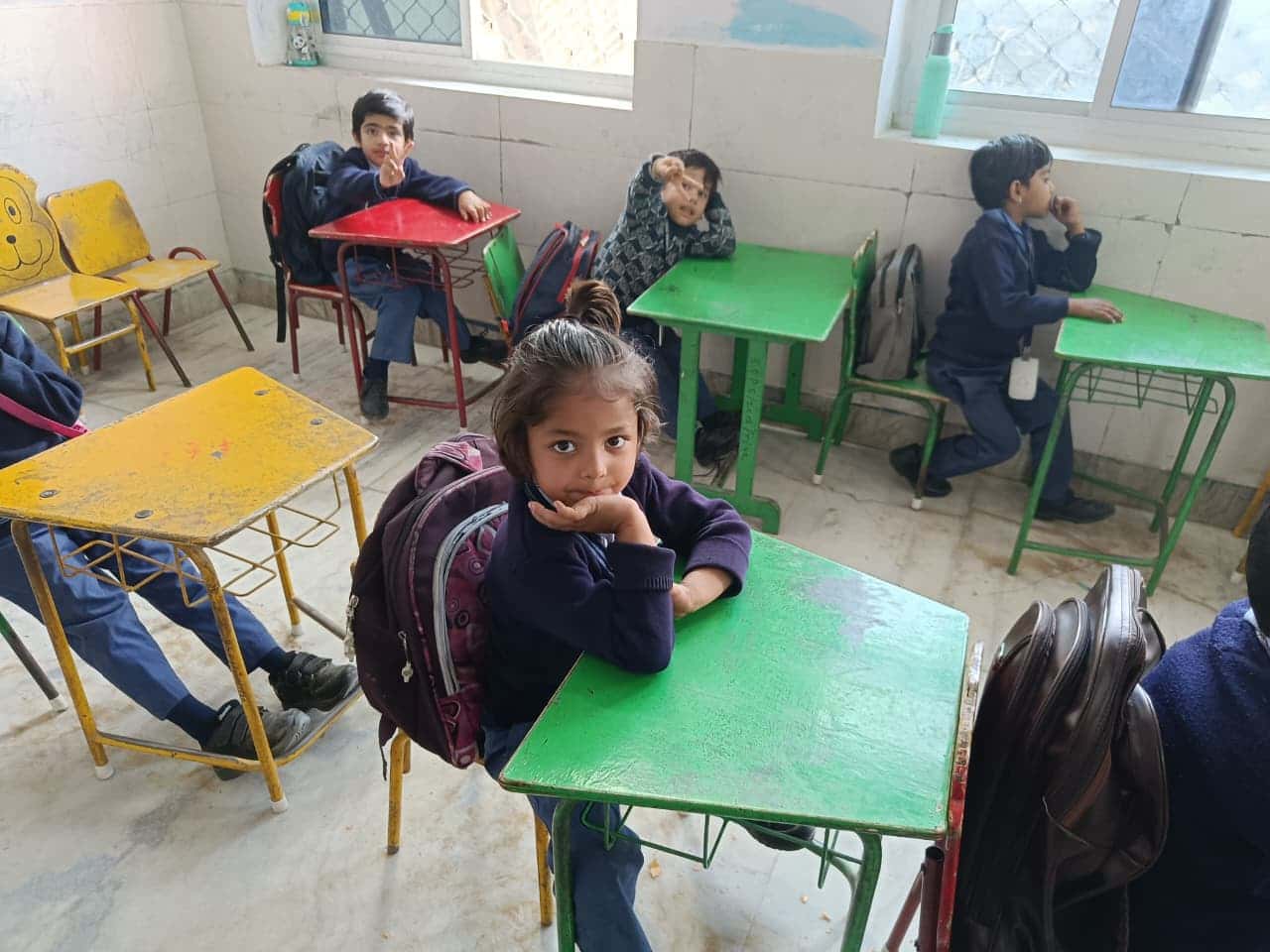
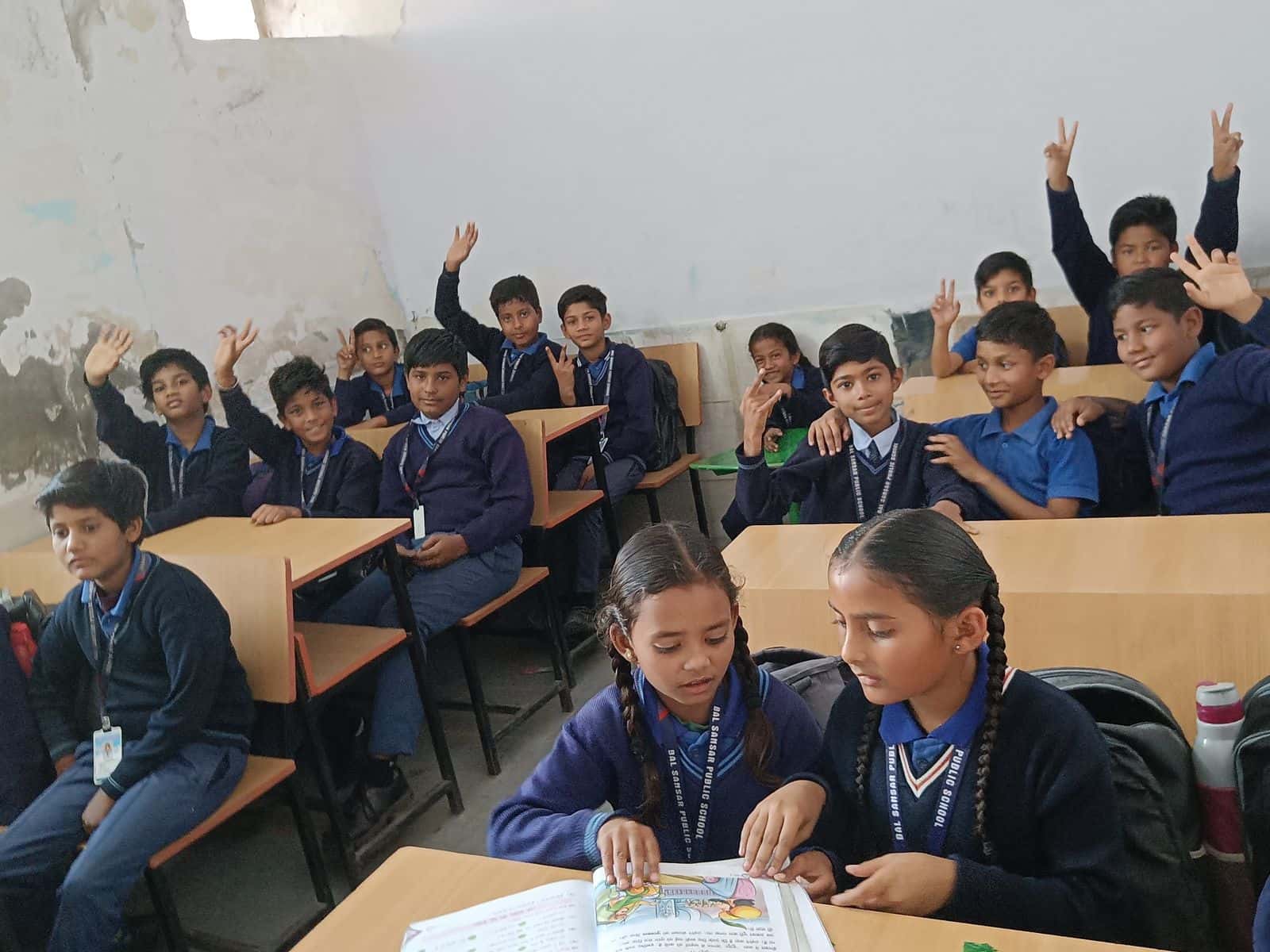
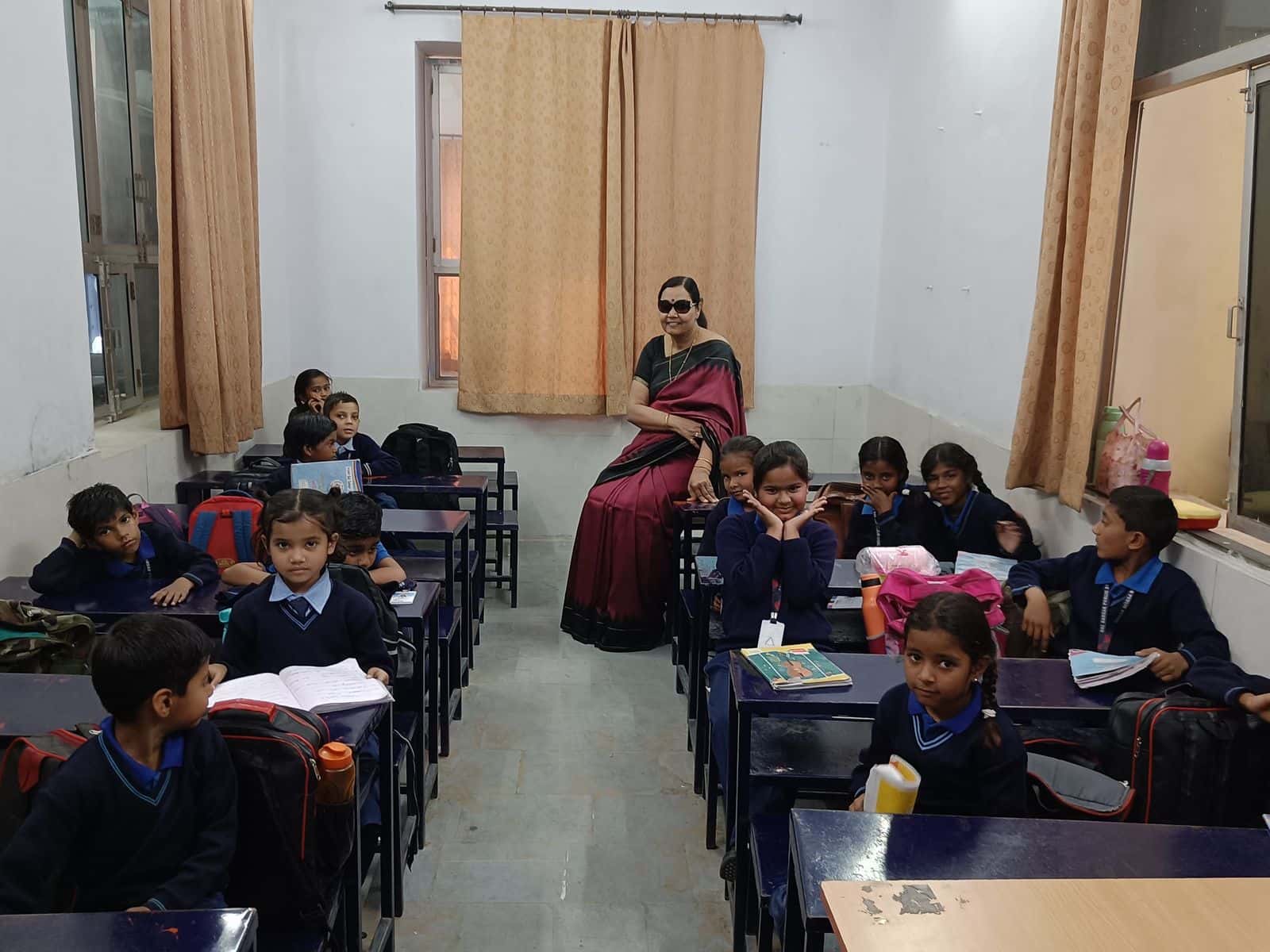
Donations fund our running programmes: Bal Sansar Public School in Hathikhera (155+ children, 60% of them girls), HIV prevention work in Ajmer, and the Aarogyam Kendra community health centre. Audited accounts are published alongside our certificates on the documents page.
If you are ready to give, the donation page takes about two minutes, and the receipt arrives by email.
This page is general information, not tax advice. Tax rules depend on your own return; please check with your tax adviser before you rely on it.